
















































































































































Some calcium is good for the heart, but too much--through diet or a combination of diet and supplements--can increase the risk of death from cardiovascular disease, according to a new study.
Some calcium is good for the heart, but too much--through diet or a combination of diet and supplements--can increase the risk of death from cardiovascular disease, according to a new study.

Goals for HbA1C, blood pressure, and LDL-C among diabetes patients are being met by more, according to the NIH.

Patients with documented atrial fibrillation given intensive yoga instruction had a reduction in symptomatic and asymptomatic AF episodes.
It has been predicted that costs for cardiovascular disease will increase to more than $1 trillion dollars annually in the US by 2030. If statins are effective in preventing heart disease, why are costs still rising?
The explosion of data regarding residual risk and contributions from LDL-P predicts an exciting future. Right now, treatment regimens are in flux awaiting further details on LDL-P interventions and a host of new drugs.
A fourth dipetidyl peptidase-4 inhibitor is approved as monotherapy and in combinations with metformin and pioglitazone.
The follow-up risk of death or an ischemic cardiovascular event that requires hospitalization is about 10-fold higher than the risk of hospitalization for major bleeding.
The safety profile correlates with lower observed risk of stent thrombosis, according to an analysis of insights from a nationwide coronary intervention registry.

Dark chocolate, tomatoes, and grapeseed oil are just a few of the natural approaches to cardiovascular risk reduction supported by science.
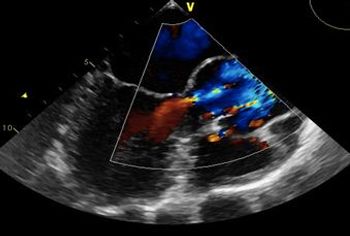
PFO can be detected in 10% to 15% of the population by transthoracic echocardiogram. Autopsy studies show a prevalence of PFO of approximately 26%.
Here: a battle plan to address obesity-the root problem of our current epidemic of metabolic syndrome, hypertension, and diabetes mellitus-that involves kicking a sedentary lifestyle.
The benefits of antihypertensives in the elderly should be unquestioned-especially since SHEP and its revisit. Avoiding them will create more problems. But caution can be exercised with these specific measures.

Newly diagnosed hypertension in a patient whose blood pressure is 152/94 mm Hg. What agents will you consider for this patient? Beta-blockers? Think again.
PCSK-9 inhibition in patients with recalcitrant hypercholesterolemia has reaped reductions in LDL-C of up to 85% after the first week of therapy.

Platelet function monitoring and adjustment of treatment based on results after coronary stenting does not improve clinical outcomes . . . and other findings from the AHA Scientific Sessions.

What is a safe, effective, and inexpensive way to reduce the risk of heart attacks, strokes, and dementia? What we eat is a key part of the answer. For one thing, doctors can suggest an appropriate diet to motivated patients, or to those who prefer a non-drug approach.
Stroke survivors who smoke cigarettes are at higher risk for additional strokes, heart attacks, and death than those who never smoked, according to research reported by the American Heart Association.
A new analysis of data from a large international registry finds that use of beta-blockers in patients with and without a history of coronary artery disease does not reduce cardiovascular events.
In 2000, MI was defined as any necrosis in the setting of myocardial ischemia. The 2007 update to this definition recognized that different conditions can lead to myocardial necrosis and 5 types of myocardial infarctions were defined.
In patients deemed statin-intolerant, lifestyle changes and alternative classes of drugs should be pursued to lower LDL-C.
Omega-3 fatty acids used to treat patients with dysglycemia in the ORIGIN trial failed to reduce cardiovascular death or ischemic events. Follow-up was 6 years.

The popular media recently took a look at the connection between systemic inflammation and the many human diseases it’s responsible for. A lengthy article in the Wall Street Journal focused on the role of daily diet in the development and modulation of inflammation and noted the clinical use of biomarker C-reactive protein to measure inflammation levels. Harvard cardiologist Christopher Cannon offered tips on eating to beat inflammation and shed pounds at the same time from his new book titled The Complete Idiot’s Guide to the Anti-Inflammation Diet. Alarming health news paired with a new book on diet can create a perfect storm of questions from you patients.
Here: a summary of 10 actionable items written specifically for primary care practice to help combat hypercholesterolemia.

Ticagrelor is the newest P2Y12 inhibitor approved to treat patients with unstable angina or non-ST elevation myocardial infarction. AHA/ACC guideline update.
The key diagnostic considerations hypokalemia, periodic paralysis, and ischemia should lead the assessment of a patient with acute generalized weakness.