






























































































































Atrial Fibrillation

Latest News


CME Content


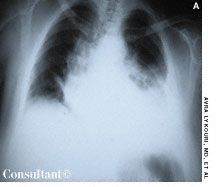
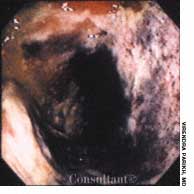
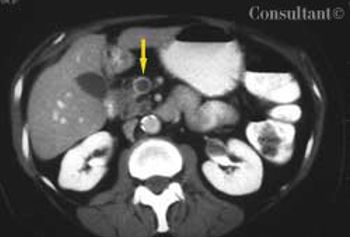
An 82-year-old woman who had recentlyarrived from Japan presented to theemergency department with a 3-dayhistory of abdominal pain that beganimmediately after she swallowed severalpills with a small amount of water.The severe, intermittent pain radiatedto the patient’s back and worsened withmeals. The patient denied chills, nausea,vomiting, coughing, diarrhea, andconstipation. She had well-controlledtype 2 diabetes mellitus and hypercholesterolemia,and had undergone anappendectomy 50 years earlier.
Obesity:

Over the past 20 years, obesity has reached epidemic proportions in the United States and throughout the world. The need for effective prevention and treatment is thus more urgent than ever.

For 2 months, a 31-year-old woman had had dyspnea anddull, continuous retrosternal pain. She was admitted to thehospital, and a helical CT scan of the thorax identified asaddle pulmonary embolism. An ultrasonogram revealeddeep venous thrombosis (DVT) in the left leg. Intravenousheparin was given; the patient was discharged,and warfarin was prescribed.

The past several years have witnessedimportant advances in the evaluationand management of chronic heart failure(HF). Drugs such as β-blockersand spironolactone have been shownto reduce morbidity and mortality, andstrategies that employ new devices,such as pacing and defibrillator therapy,are evolving. This has promptedthe American College of Cardiology(ACC)/American Heart Association(AHA) to update guidelines first publishedin 1995.1 The guidelines highlightthe importance of early and accuraterecognition of the clinical syndromeof chronic HF and offer anoutline for evidence-based therapeuticdecision making.